We had a winter depression for years in the Netherlands, and we didn’t know it. We only found out in our first winter in Spain, when it didn’t come.
Nobody gave it a name back then. It was just what winter felt like: tired, unmotivated, a bit low, waiting for spring. We assumed that was just what winter was.
Then we moved to the countryside near Torrent, outside Valencia, in 2023 - our first six months were mostly about settling in. By that first winter, my wife and I both noticed we were in a much better mood. Relaxed, even. This post is about that, and why it’s one of the perks of living in Spain we never thought to put on our list.
What winter depression felt like in the Netherlands
Looking back, the pattern was obvious. Every winter we were tired all the time, unmotivated, and low in mood in a way that didn’t have a clear reason. Not dramatic, just gray, and gray for months.
The NHS describes seasonal affective disorder (opens in new tab) as depression that comes and goes with the seasons, usually starting in autumn or winter. The symptoms it lists include low mood, losing interest in things you usually enjoy, and feeling lethargic and sleepy during the day. Reading that now is a little uncomfortable, because it’s a fair description of our Dutch winters.
Neither of us was ever diagnosed, so this is our story rather than a medical one. But the difference after the move was too big for us to explain away.
Does moving to Spain help with winter depression?
For us, yes. Three winters in, the heavy feeling has almost completely gone.
We first noticed it through our son: in that first winter we were still going outside with him, and he just kept playing like it was any other season. In the Netherlands, winter meant staying in.
It isn’t a miracle cure. If the winter months hit you hard, the NHS advice is to talk to your doctor - your huisarts in the Netherlands, your médico de cabecera here - and that’s where I’d start too. What I can say is that for two Dutch adults who thought winter tiredness was just part of life, it turned out not to be.
How much more sun does Valencia get in winter?
This is the part that made it click for me, because the numbers aren’t close.
KNMI, the Dutch weather service, gives De Bilt a December normal of 55.5 hours of sunshine (opens in new tab) and a yearly normal of 1,714.7 hours (opens in new tab) (1991-2020). AEMET, the Spanish one, gives the València city station (opens in new tab) an average of 155 hours in December and 2,696 hours a year (1981-2010).
The periods differ slightly, but the picture doesn’t: almost three times as much December sunshine, and close to a thousand extra hours of sun across the year. In the darkest month of the year, the Netherlands averages under two hours of sun a day. Valencia gets about five.
You feel that on a weekday. Even in a gray week here, there are usually a few properly sunny days in it, and that turns out to matter more than the temperature.
Can you go to the beach in January?
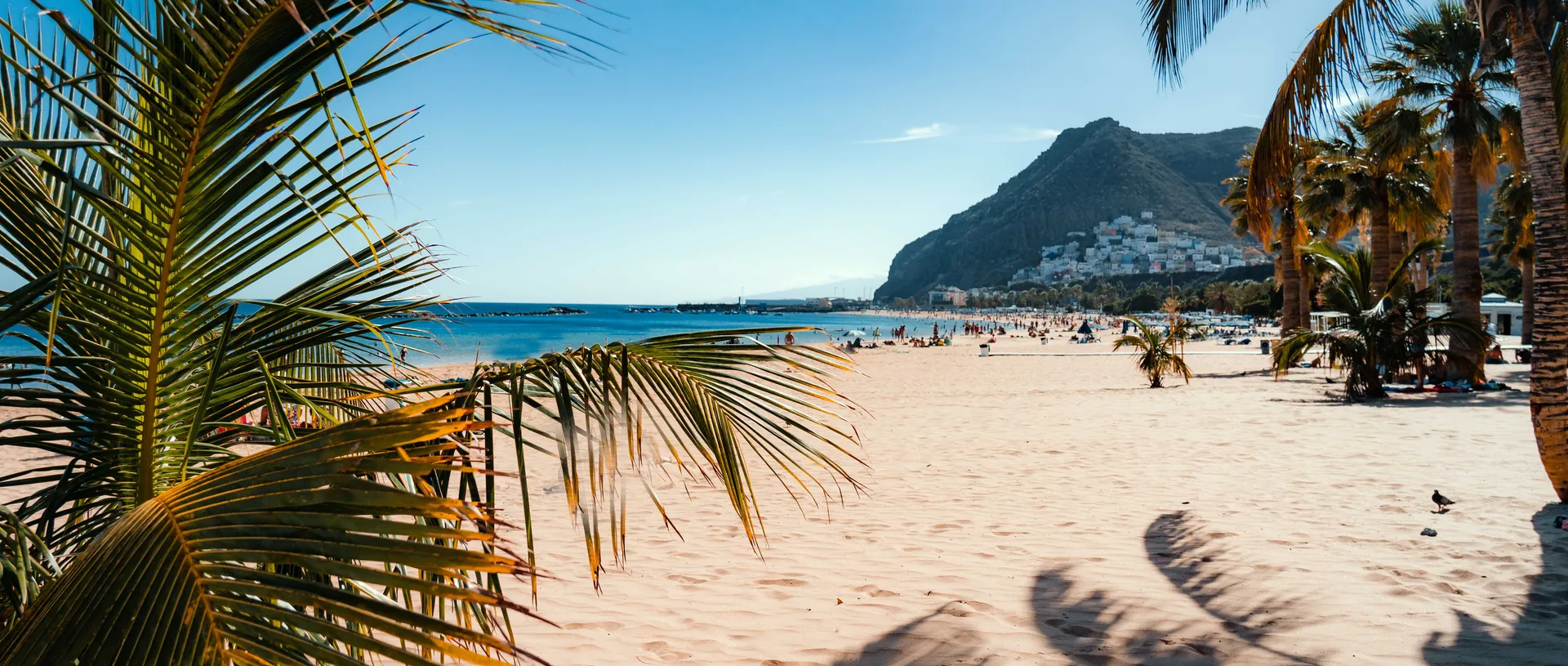
Our favorite proof is 27 January 2025. We were in Jávea (Xàbia in Valencian) on the Costa Blanca, and it was 24°C. In January.
That day was exceptional, even by local standards. But it’s also the kind of day that simply doesn’t exist in a Dutch January. The beach in January, in the sun, without a winter coat - that still feels slightly unreal to write down.
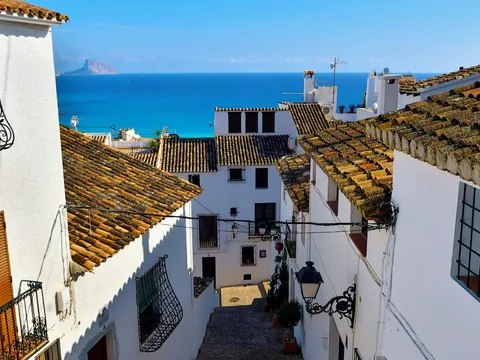
Most winter days we’ve spent on the coast weren’t that warm. They were a little fresh and still sunny, which is enough to visit the places we love anyway - Jávea, or Altea and its old town on the hill.
Is it sunny in Valencia in winter?
Mostly, but I don’t want to oversell it. Autumn here does get a little gray. We get cloudy days, sometimes a run of them, and the evenings draw in like anywhere else.
The difference is that gray here means cloudy for a while, not gray for four months. The sun comes back during the week, and when it does, it’s strong enough to get you outside.
The one thing we miss: houses built for the cold
There is one thing the Netherlands does better, and it’s houses. Dutch homes are properly insulated. Most houses here are built for warm weather, to stay cool in summer, not to hold heat in winter.
So the strange part of a Spanish winter is that it can feel warmer outside in the sun than inside your own living room. If you move here expecting Dutch comfort indoors, that’s the surprise. If you’re buying or renting, it’s worth asking how a house holds up in January. We wrote about our own house in renovating our Spanish home.
Still, given the choice between a warm house and a dark winter, or a cool house and a sunny one, we know which one we picked.
If you’re thinking of moving for the light
If, like us, you’ve always just accepted being tired and low all winter, it might not be a fixed part of you. For us it turned out to be the place, or at least the light in it. It’s one more thing on the list of reasons we’re glad we came, alongside everything in our three years in Spain.
Hasta luego, mis amigos!